Choosing When to Receive CPP and OAS: What to Consider

2 minute read
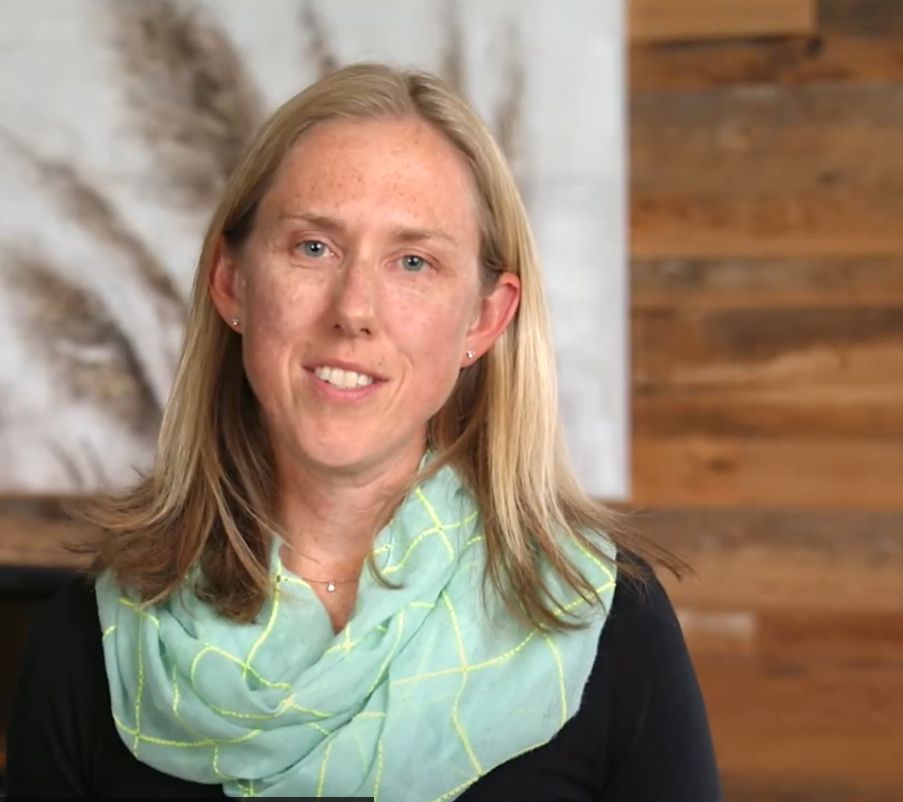
Middles aged women at a laptop

Deciding when to begin receiving the Canada Pension Plan (CPP) and Old Age Security (OAS) is an important decision on the path to retirement. While these benefits are an important part of many Canadians’ financial plans, the timing of when you start them can affect both your monthly income and your long-term wellbeing. Understanding your options can help you choose what best aligns with your goals and lifestyle.

Canada Pension Plan (CPP)

Eligible Canadians and Permanent Residents can begin taking CPP payments as early as age 60 or as late as age 70. Starting at the standard age of 65 provides the “base” amount you’re eligible for. Taking it earlier reduces the payment permanently. For each month you begin before 65, CPP decreases by 0.6%. That’s a reduction of up to 36% if you start right when you turn 60. This can help with cash flow earlier in retirement, but it also means living with a smaller monthly amount for life.

Delaying CPP increases your payment. For each month you wait after 65, your payment grows by 0.7%, up to a maximum increase of 42% at age 70. If you expect to live a long and healthy life, or if you have other income sources to bridge the gap, delaying can offer greater financial resilience in later years.

Old Age Security (OAS)

OAS normally begins at 65, but you can defer it up to age 70. Unlike CPP, you can’t receive OAS before 65. For every month you defer, your payment increases by 0.6%, adding up to a maximum of 36% if you start at 70. This can help offset inflation and rising living costs as you age.

Keep in mind that OAS is income-tested. Higher incomes can trigger the OAS “clawback,” meaning you may have to repay some or all of the benefits. Delaying OAS may be helpful if you expect higher taxable income in your mid-sixties and lower income later.


Which Choice Is Right for You?

The “best” timing depends on your health, longevity expectations, work plans, other income, and comfort with risk. Here are some examples of things to consider:

  • If you are married, are you and your spouse retiring at the same time?
  • Are you able to make ends meet without taking CPP and OAS?
  • Do you have a workplace pension?
  • Were you able to save enough for retirement during your working years?
  • Are you still supporting dependants? Are you financially responsible for children, grandchildren, or even your parents?
  • Are you in good health? Did parents and/or grandparents live to an advanced age?

Some folks appreciate the peace of mind of receiving benefits sooner, while others prefer to strengthen their income for later life. At its heart, the decision needs to support your wellbeing today and tomorrow. If you’d like to talk through your options, make an appointment with a member of our Wealth and Investment Team today.


Angela Garland

Angela Garland, CFP® is a Financial Planner for Kindred Credit Union and Qtrade Asset Management Inc. Angela began her career at Kindred in 2006 after graduating from the University of Manitoba. Since then, she has filled various roles and gained extensive knowledge in many areas of financial services. Angela specializes in helping members make knowledgeable and informed decisions about their investments and future savings. She shares her insights and answers your questions on our blog and YouTube channel.

Search Giving Tuesday: A Day That Turns Generosity into Community Impact