
 John Klassen
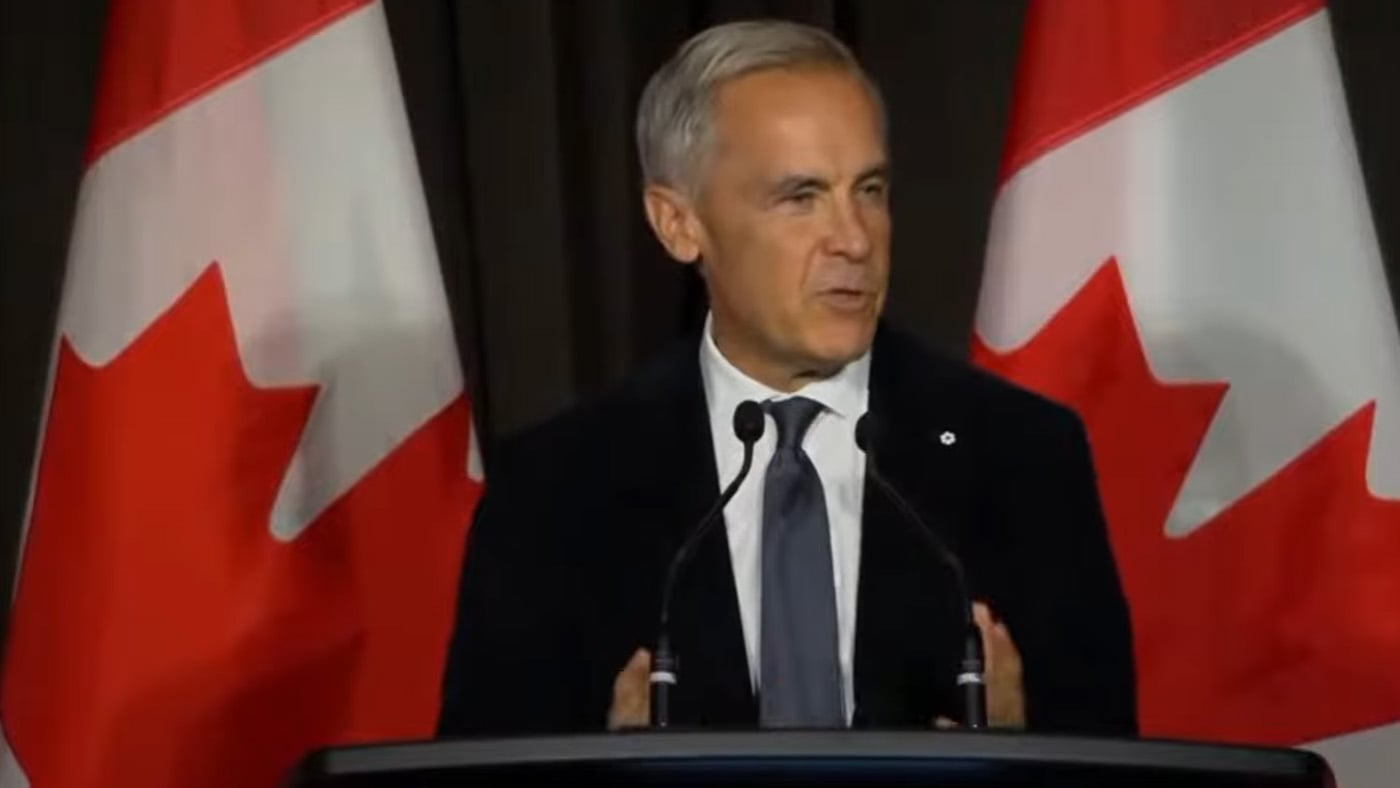
From groceries and housing to taxes and energy bills, here's how the latest federal budget could affect your finances.
On November 5, 2026, the federal government released its latest budget, outlining plans to strengthen Canada's economy while helping Canadians manage the rising cost of everyday life.
While the budget includes significant investments in infrastructure, business development, and economic growth, many Canadians have a more immediate question: What does this mean for my wallet?
We've broken down some of the key announcements and what they could mean for you and your family.
1. More help with grocery bills
If you've noticed your grocery bill taking a bigger bite out of your budget, you're certainly not alone. The federal government has proposed a one-time increase to the Canada Groceries and Essentials Benefit for low- and modest-income Canadians.
The additional payment, expected in early 2027, would provide:
-
Up to $339 for a single person without children.
-
Up to $679 for a couple with two children.
The supplement represents a 50% increase in the benefit for the 2026–27 benefit year. The amount you receive would depend on your household circumstances and eligibility. The budget also includes investments in Canada's food supply system, intended to improve competition and help make groceries more affordable over time.
2. Changes that could make housing more affordable
Housing continues to be one of the largest expenses for Canadian households, whether you're renting, buying your first home, or renewing a mortgage.
The budget includes substantial investments in affordable housing construction and measures intended to make homeownership more accessible.
The government is also continuing previously announced measures to reduce or eliminate the GST on qualifying newly built homes for first-time buyers, potentially saving eligible purchasers up to $50,000.
3. Financial relief for caregivers
Many Canadians provide unpaid care for aging parents, family members with disabilities, or loved ones who need additional support.
The budget proposes making the Canada Caregiver Credit fully refundable, meaning eligible caregivers could receive financial support even if they don't owe federal income tax. Under the proposed changes, eligible caregivers could receive up to $1,260 annually in 2027, with the amount indexed in subsequent years.
4. Support for working Canadians
The budget introduces the proposed Build Canada Workers Benefit, intended to help lower-income working Canadians keep more of their earnings. The enhanced benefit is designed to provide additional financial support to eligible workers and reduce the financial pressures facing households with modest incomes.
5. Lower energy bills through home improvements
Heating and powering a home can be expensive, particularly during Ontario's colder months.
The federal budget includes more than $2 billion for a national heat pump rebate program, intended to help hundreds of thousands of households switch to more energy-efficient heating and cooling systems.
Additional investments would support energy-efficient improvements in residential buildings.
The government estimates that its broader energy-efficiency measures could save Canadians more than $1 billion annually on energy bills once fully implemented.
Remember that the potential savings will depend on your home's energy needs, installation costs, and the efficiency of your existing equipment.
6. Changes to make tax filing easier
Tax season may look a little different in the coming years. The federal government is proposing several changes intended to simplify personal income taxes, including moving to a single May 15 deadline for filing personal income tax returns and paying taxes owing, beginning with the 2027 tax year.
The budget also includes measures to make it easier for eligible Canadians to access federal benefits and tax credits.
Making peace with your money, one step at a time
While government budgets can influence household finances, the everyday decisions you make with your money remain important.
Whether you're managing rising expenses, preparing to buy a home, saving for retirement, or simply trying to make your money go further, a few practical steps can help:
-
Review your household budget. Look for opportunities to adjust spending and make room for your priorities.
-
Check your eligibility for benefits. Make sure you're receiving the government programs and tax credits available to you.
-
Plan ahead for larger expenses. Building savings for home repairs, annual bills, and unexpected costs can reduce financial stress.
-
Review your borrowing costs. Understanding your mortgage, loans, and credit card rates can help you make informed decisions.
-
Ask for advice. A conversation with a trusted financial professional can help you explore your options and plan your next steps.
At Kindred Credit Union, we're here to help you connect your financial decisions with what matters most to you. Ready to make peace with your money? Meet with a Kindred team member to explore your financial goals and discover how we c