


In 2026, a quiet shift is taking place. After years of rapid digital adoption, many people are rediscovering the value of going “analog.” It’s not about rejecting technology altogether, but about using it more intentionally—and making room for tangible, human-centred experiences in everyday life.
This movement is largely a response to digital fatigue. Constant notifications, algorithm-driven content, and screen-heavy routines have left many feeling overwhelmed. In response, people are turning to slower, more mindful practices such as journaling, crafting, and even budgeting with pen and paper, to reconnect with what feels real and grounded.
It’s worth noting that this isn’t a one-size-fits-all shift. Not everyone feels the need to move toward analog tools, and for many, digital solutions continue to work beautifully. Rather than a rule or recommendation, this is better understood as a broader movement – one that offers an alternative for those seeking a different pace or a more hands-on approach.
So, what might this look like when it comes to finances?
Bringing a Tangible Touch to Money Management
One growing trend is the return to physical budgeting tools. Methods like “cash stuffing,” where money is divided into labelled envelopes for different spending categories, are gaining popularity, especially among younger adults. Handling cash can make spending feel more tangible and can help people stay within their limits.
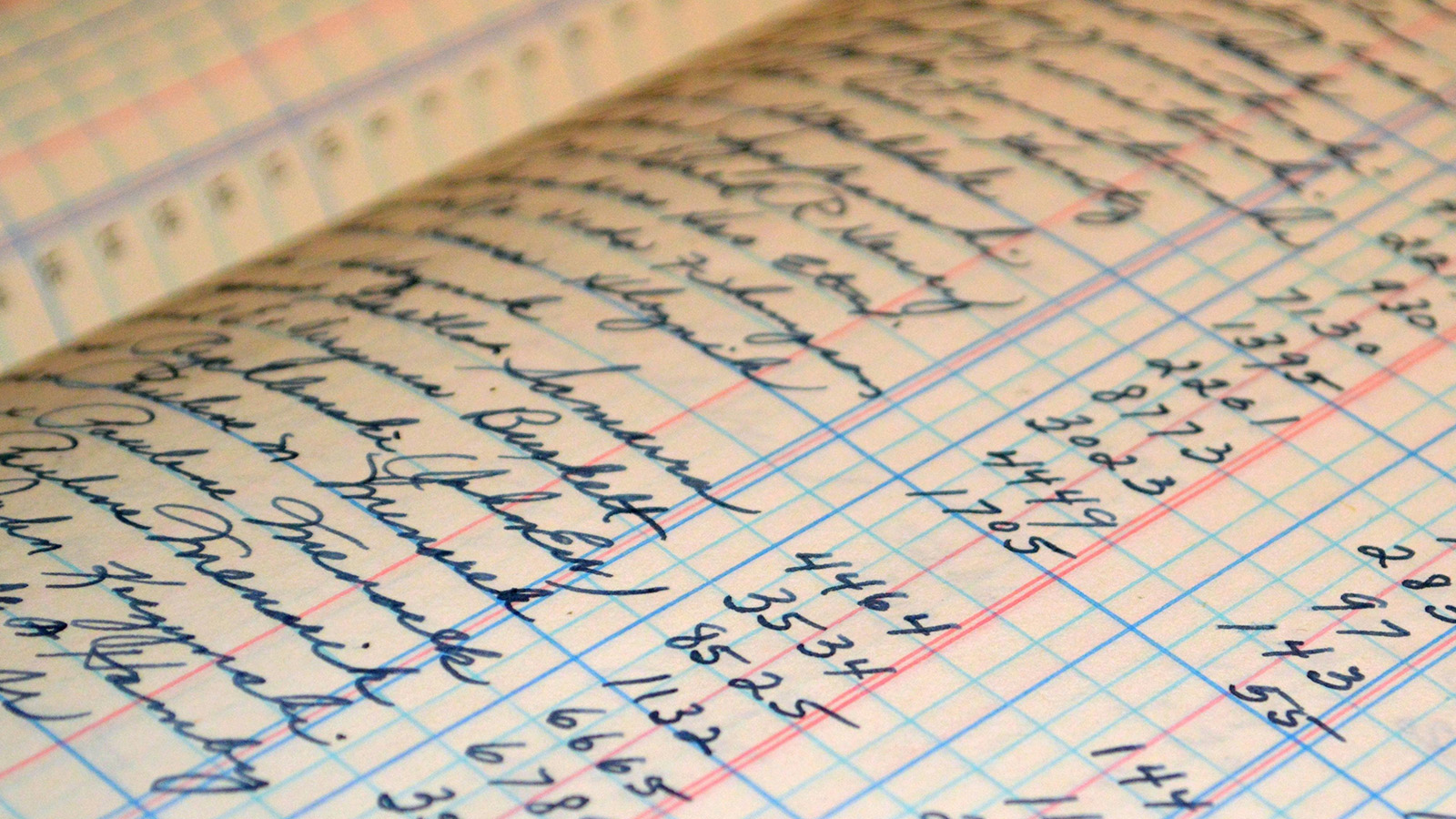
Others are choosing to track their finances in notebooks or planners. Writing down expenses, savings goals, or reflections on spending habits can create a deeper sense of awareness than simply checking an app. It slows things down, giving you the time and bandwidth you need to make good decisions.
Choosing Local, Personal, and Purposeful
Going analog also shows up in where and how people choose to spend. There’s a renewed appreciation for local businesses, farmers’ markets, and neighbourhood services. These choices often come with more personal interaction, greater transparency, and a stronger sense of community connection.
The same can be said for banking. Many are seeking out financial institutions that offer relationship-based service, where conversations happen face-to-face, advice is tailored, and decisions reflect shared values. Banking local can feel less transactional and more like a partnership.
Creating Space for Both Analog and Digital
Importantly, this trend isn’t about stepping away from digital banking. Online tools remain attractive for convenience, security, and accessibility. However, there’s an opportunity to blend both worlds, keeping the convenience and security you love, with the analog and tactile things you crave.
For example:
-
Using digital banking for day-to-day transactions, while setting goals on paper
-
Automating savings, but reviewing progress monthly in a journal
-
Paying bills online, while keeping a printed snapshot of your financial plan
-
Automating your fixes expenses, yet visiting a branch to withdraw cash for variable expenses such as groceries
This balanced approach allows people to benefit from efficiency while still feeling connected and in control.
A Thoughtful Way Forward
At its heart, the analog movement is about intention. It invites us to pause, reflect, and engage more fully with our time, our choices, and our resources.
When applied to finances, even small analog practices can help bring clarity and confidence. And when paired with trusted digital tools and relationships, they can support a more grounded, values-aligned approach to money. In a fast-moving world, a little slowness can be a gift.
Book an appointment with a member of the Kindred team to discuss your financial goals and how we can help you make peace with your money.